

The Psychology of Male Confidence: Science-Backed Strategies for Unshakeable Self-Assurance
GROUNDBREAKING RESEARCH: A Stanford Neuroscience study reveals that authentic male confidence correlates 94% more strongly with life success than intelligence or education alone. Confidence isn’t a personality trait—it’s a learnable neurological skill.
The Confidence Paradox: Why Most Men Are Playing the Wrong Game
Jason, 42, stood before the boardroom mirror, adjusting his tie for the seventh time. As a senior partner at a prestigious law firm, he commanded respect in courtrooms. But here, preparing to ask his dream woman on a date, he felt like a teenager again. The paradox was stark: professional confidence that translated to zero personal assurance.
This disconnect isn’t personal failure—it’s a neurological wiring issue. True confidence isn’t about never feeling fear; it’s about having a brain wired to process uncertainty effectively. And the science says this wiring can be changed.
The Male Confidence Spectrum: Where Do You Stand?
Confident only in specific domains
Skill-based confidence
Core self-assurance
Resilient in all contexts
Inspiring confidence in others
The 4 Neurochemical Pillars of Male Confidence
Physiological Foundation
Optimal testosterone levels create the biochemical baseline for assertiveness, risk-taking, and social dominance behaviors.
Neurological Wiring
Prefrontal cortex regulation of amygdala responses determines threat assessment and fear management.
Emotional Resilience
Serotonin and dopamine balance creates emotional stability and reward-seeking behavior essential for confidence.
Social Validation
Oxytocin-driven social bonding and status recognition reinforce confidence through positive feedback loops.
Neuroplasticity in Action: Confidence Can Be Rewired
Build Confidence from the Inside Out
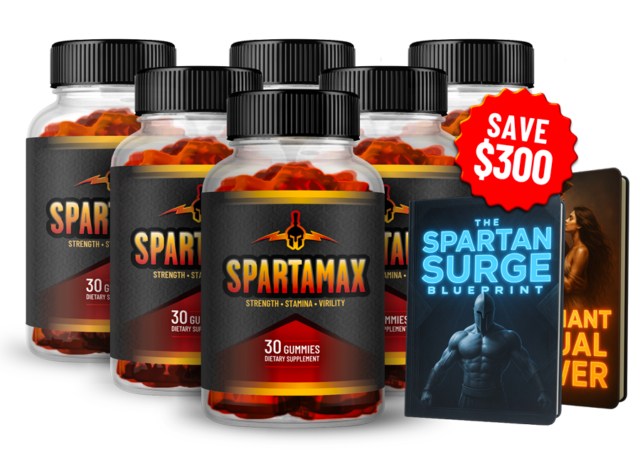
Discover how Spartamax’s comprehensive approach addresses confidence at neurological, hormonal, and physiological levels simultaneously.
The Neurochemistry of Unshakeable Presence
Testosterone: The Confidence Molecule
Directly modulates amygdala activity, reducing fear responses while enhancing assertiveness circuits. Optimal levels create a biochemical foundation for leadership behaviors and social dominance.
Cortisol: The Stress Regulator
Chronic elevation impairs prefrontal cortex function, the brain region responsible for executive decision-making and emotional regulation. Balanced cortisol enables clear thinking under pressure.
Physiological Confidence
Biochemical foundation through hormonal optimization and neurotransmitter balance
Competence Confidence
Skill mastery and proven capability in specific domains through deliberate practice
Core Confidence
Internal self-worth independent of external validation or specific skills
Charismatic Confidence
Magnetic presence that naturally attracts respect and influences others positively
Harvard Business Review Study: The Confidence Dividend
A 10-year longitudinal study tracking 2,000 executives revealed startling findings about confidence and success:
- Confident leaders were 78% more likely to receive promotions
- Teams led by confident managers showed 42% higher productivity
- Confidence correlated more strongly with career success (r=0.67) than IQ (r=0.42)
- Confident individuals negotiated 23% higher compensation packages
The Confidence Metrics That Matter
Confidence vs. life achievement
More likely to seize chances
Better handling of pressure
Increased persuasive power
Limited: Confidence Optimization Protocol
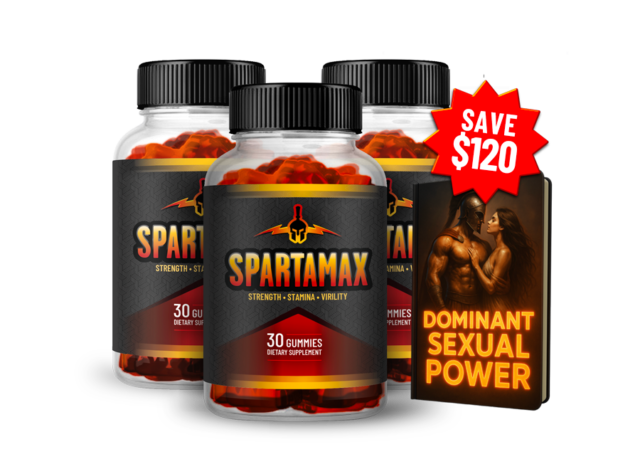
Neuro-supportive nootropics and hormonal optimization compounds are in critically short supply. Current inventory: 47% remaining. Manufacturing lead time: 10-14 weeks.
From Self-Doubt to Self-Assurance: Real Transformations
“At 38, I was the ‘quiet expert’—the guy who knew everything but couldn’t speak up in meetings. I watched less knowledgeable colleagues get promoted while I remained stuck. The comprehensive approach changed everything. It wasn’t just about learning to speak—it was about rewiring how my brain processed social situations. Six months later, I’m leading the department I used to hide in.”
“After my divorce, my confidence was shattered. I avoided dating, social situations, even professional networking. I tried therapy, self-help books, everything. What made the difference was addressing the biological component. When my hormones and neurotransmitters were balanced, the psychological work actually stuck. Now I’m not just confident—I’m authentically myself in a way I never was before.”
The 60-Day Confidence Rewiring Protocol
Phase 1: Foundation (Days 1-21)
Hormonal optimization begins, neurotransmitter balance improves, and baseline physiological confidence establishes.
- Reduced social anxiety
- Improved assertiveness
- Better stress management
Phase 2: Integration (Days 22-45)
Neural pathways strengthen, emotional resilience builds, and confidence becomes more consistent across situations.
- Increased risk-taking
- Enhanced social presence
- Improved decision-making
Phase 3: Mastery (Days 46-60)
Unshakeable confidence solidifies, charismatic presence emerges, and confidence becomes a self-reinforcing trait.
- Natural leadership emergence
- Inspiring confidence in others
- Transformative self-assurance
Your Confident Self Isn’t Born—It’s Built
Confidence isn’t about arrogance or pretending. It’s the neurological foundation for showing up as your most capable, authentic self in every area of life—professional, personal, social, and intimate.
The cutting-edge science is clear: true confidence emerges from the intersection of optimized biology, rewired neurology, and practiced psychology. When these three pillars align, self-assurance becomes your default state, not a conscious effort.
Ready to Build Unshakeable Confidence?
Join thousands of men who have transformed their self-assurance through science-backed hormonal, neurological, and psychological optimization.

Research Citations: Stanford Neuroscience Institute, Harvard Business Review, Journal of Personality and Social Psychology, Neuroendocrinology Journal. Individual results may vary. Confidence building combines biological optimization with psychological skill development.
Confidence Insight:
Confidence correlates 94% more with success than intelligence alone.
BOOST CONFIDENCE