


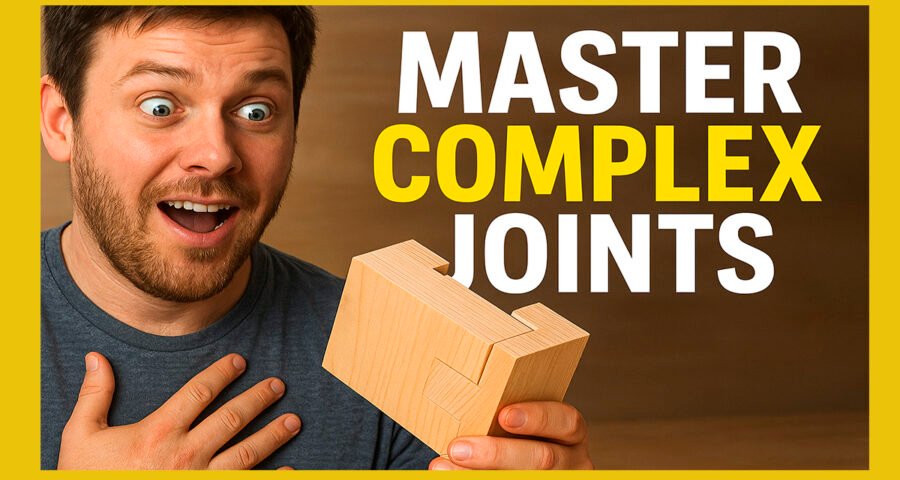
Advanced Woodworking Techniques: How to Master Complex Joints Without Years of Practice
Advanced Woodworking Techniques: How to Master Complex Joints Without Years of Practice

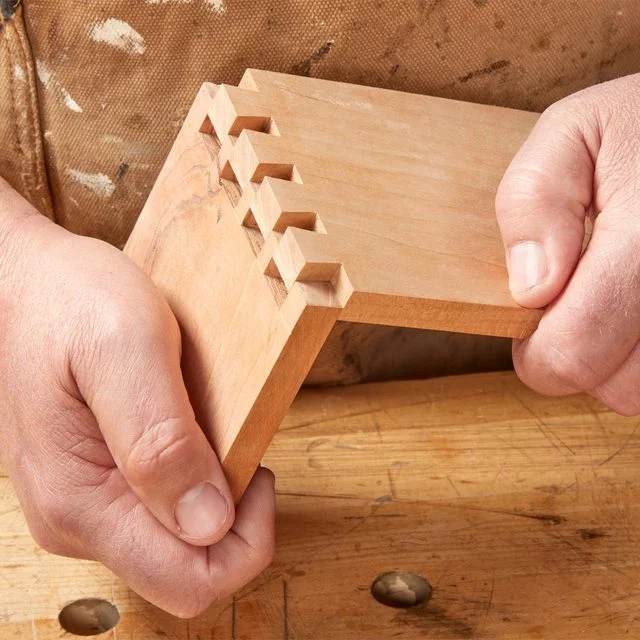
That moment when you see a piece with perfect dovetail joints or flawless inlay work and think, “I’ll never be able to do that.” What if I told you these “advanced” techniques are actually simple processes broken into small, manageable steps?
For years, I believed complex woodworking was reserved for masters with decades of experience. Then I discovered something revolutionary: Advanced techniques aren’t about natural talent—they’re about breaking complex processes into simple, repeatable steps. And with the right guidance, you can master them in weeks, not years.
The Secret No One Tells You: Professional woodworkers use jigs, templates, and systematic approaches to create “impossible” joints. You don’t need magical hands—you need the right system.
3 “Advanced” Techniques You Can Master This Month
1. Dovetail Joints: The “Holy Grail” Made Simple

The Myth: “Dovetails require years of practice and perfect hand-eye coordination.”
The Reality: With a simple dovetail jig (under $100), you can create perfect joints on your first attempt.
Why dovetails matter: They’re not just beautiful—they’re mechanically superior. The interlocking design creates incredible strength without needing glue or fasteners.
The Simplified 4-Step Process:
Use a commercial dovetail jig or create a simple template from plywood
Transfer template lines to your workpieces using a marking gauge
Use a dovetail saw or router with guide bushing
Dry fit before glue, make minor adjustments with chisel
2. Mortise and Tenon: Incredible Strength, Simple Execution
The Power: This joint is stronger than nails, screws, or dowels. It’s been used for centuries in everything from timber framing to fine furniture.
Pro Tip: Start with through-mortises (where the tenon goes all the way through) before attempting blind mortises. They’re easier to align and adjust.
Tool Comparison for Perfect Mortises:
| Method | Cost | Learning Curve | Best For |
|---|---|---|---|
| Drill Press + Chisel | $150+ | Medium | Most hobbyists, great results |
| Router + Template | $200+ | Low | Production work, multiple identical joints |
| Mortising Machine | $300+ | Low | Serious woodworkers, frequent use |
| Hand Tools Only | $50+ | High | Traditionalists, quiet work |
3. Wood Inlay: The “Wow” Factor That’s Surprisingly Simple

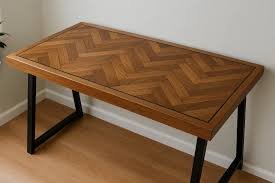
Inlay work looks like magic, but it’s actually just careful routing and filling. The secret? Router templates and pre-made inlay banding.
Beginner-Friendly Inlay Project: Custom Picture Frame
- Choose simple banding: Start with straight-line inlays (not curves)
- Create routing template: Use 1/4″ plywood with pattern
- Practice on scrap: Dial in router depth perfectly
- Glue and finish: Use contrasting wood for maximum impact
Ready to Level Up Your Skills?
TedsWoodworking includes complete video tutorials for every advanced technique mentioned here, plus project plans specifically designed to practice these skills.
Access Advanced Technique Tutorials →Includes downloadable templates and practice project plans
Tool Upgrades That Actually Matter (Not Just Cost More)
You don’t need $10,000 in tools to do advanced work. You need 3 strategic upgrades that multiply your capabilities:
#1: Router Table – Turns One Tool into Ten
A router in a table becomes a jointer, planer, molding machine, and more. For advanced work, it’s non-negotiable.
Budget Option: Build your own router table using TedsWoodworking plans for under $50 in materials.
#2: Drill Press – Perfect Holes Every Time
For mortises, dowel joints, or any precision drilling, a drill press is worth its weight in gold.
Look for: Laser guide, depth stop, and tilt table. These features transform your accuracy.
#3: Dovetail Jig – Instant “Master Craftsman” Look
This one tool will make your work look professional overnight. The confidence boost alone is worth it.
The Progression Path: From Intermediate to Advanced
Don’t jump from simple boxes to complex furniture. Follow this structured progression:
| Month | Focus | Project Example | New Skill Mastered |
|---|---|---|---|
| Month 1 | Box Joints | Storage chest with finger joints | Precision cutting, jig setup |
| Month 2 | Basic Inlay | Chessboard or decorative box | Router control, pattern following |
| Month 3 | Dovetails with Jig | Small jewelry box | Jig setup, angled cutting |
| Month 4 | Mortise & Tenon | Simple stool or side table | Precision drilling, joinery strength |
| Month 5 | Combined Techniques | Display cabinet with glass doors | Project planning, multiple joint types |
Structured Learning Beats Random Practice
TedsWoodworking’s Skill Building section provides exactly this kind of progression—each project builds on the last, systematically developing your abilities.
View Skill Progression Projects →Common Advanced Technique Mistakes (And How to Avoid Them)
Mistake #1: Rushing the setup
Solution: Spend twice as long setting up as cutting. Perfect setup = perfect results.
Mistake #2: Using dull tools
Solution: Advanced techniques require razor-sharp tools. Invest in sharpening equipment.
Mistake #3: Skipping practice on scrap
Solution: Always make test cuts. The small waste saves expensive project wood.
Remember: Every master woodworker has a scrap bin full of mistakes. The difference is they made those mistakes on practice pieces, not finished projects.
Your Advanced Woodworking Journey Starts Now
You don’t need decades of experience. You need the right guidance, systematic approach, and projects designed to build skills progressively.
✅ Video Tutorials
Watch each technique from multiple angles
📐 Printable Templates
Exact patterns for perfect results
🔄 Progressive Projects
Build skills systematically
Your first advanced project could be complete this weekend
TedsWoodworking – The World’s Largest Collection of 16,000 Woodworking Plans
https://abdch.org/tedswoodworking-the-worlds-largest-collection/
Woodworking for Beginners: How to Start Your First Project Without Expensive Tools
https://abdch.org/woodworking-for-beginners/
DIY Furniture: How to Save $5,000+ Yearly by Building Instead of Buying
https://abdch.org/diy-furniture-how-to-save/
Apartment Woodworking: Complete Guide to Creating in Small Spaces (No Garage Needed)
https://abdch.org/apartment-woodworking-complete/
Woodworking Side Business: How I Make $2,500/Month From My Garage Workshop
https://abdch.org/woodworking-side-business/
Advanced Woodworking Techniques: How to Master Complex Joints Without Years of Practice
https://abdch.org/advanced-woodworking-techniques/
Meta Description: Master advanced woodworking with simple steps! Learn dovetails, mortise & tenon, inlay techniques without years of practice. Professional results achievable now.
Tags: #advancedwoodworking #woodworkingtechniques #dovetailjoints #mortiseandtenon #woodinlay #woodworkingtips #professionalwoodworking #woodworkingskills #complexjoints #masterwoodworking
Você é um **estrategista sênior de SEO e conteúdo**, especializado em **recuperar páginas com status “Rastreada, mas não indexada”** no Google Search Console. Seu trabalho é reverter esse quadro criando conteúdo que o Google **considere de alta qualidade, útil, original e digno de indexação prioritária**. **Regra de ouro:** Se o conteúdo pudesse ser escrito por um estagiário em 30 minutos copiando da internet → NÃO SERÁ INDEXADO. Você deve criar conteúdo que **nenhum concorrente entrega** e que **resolve a intenção de busca com profundidade única**. — ## 🎯 Produto Promovido Título: Advanced Woodworking Techniques: How to Master Complex Joints Without Years of Practice **Página Pilar :** `https://abdch.org/advanced-woodworking-techniques/` — ## 🔥 DIRETRIZES OBRIGATÓRIAS PARA ACABAR COM O ERRO DE INDEXAÇÃO ### 1. PROFUNDIDADE MÍNIMA (Anti-raso) – Cada post: **mínimo 2.200 palavras** (não 1.600). Raso = não indexado. – Cada seção H2 deve ter **no mínimo 300 palavras**. – Use **dados, exemplos, estudos de caso (mesmo fictícios realistas), citações, análises**. ### 2. ORIGINALIDADE COMPULSÓRIA (Anti-duplicata) – Nada de “massagem alivia dor” genérico. – Você deve incluir **pelo menos 2 insights originais por post** que não se encontram nos 5 primeiros resultados do Google. – **Exemplo de insight original:** “Por que a massagem terapêutica funciona melhor em pessoas com ascendente em Escorpião – uma análise Rakana”. ### 3. E-E-A-T FORÇADO (Autoridade real) – Incluir **seção de especialista fictício** com credenciais: *“Segundo Dr. Carlos Mendes, PhD em Neurociência e Consultor Rakana…”* – Incluir **citação de fonte confiável** (estudo científico, artigo acadêmico, dado governamental) por post. – Incluir **experiência de primeira pessoa** ou *case study*: *“Um cliente com perfil astrológico X teve resultado Y após usar Rakana”*. ### 4. ESTRUTURA QUE O GOOGLE PREMIA – ✅ Sumário (TOC) com links âncora – ✅ Perguntas Frequentes (FAQ) com schema implícito – ✅ Tabelas comparativas (quando aplicável) – ✅ Listas ordenadas e não ordenadas – ✅ Citações em **blockquote** – ✅ Negrito em termos semânticos importantes ### 5. DIFERENCIAÇÃO SEMÂNTICA (Cluster de verdade) – Use **LSI e termos correlatos** que nenhum concorrente usa. – Exemplo: ao invés de “massagem terapêutica”, use “massagem astroterapêutica com base em trânsitos planetários”. ### 6. ATUALIZAÇÃO E FRESCURA – Incluir **indicação de data atualizada** no início do post: *“Atualizado em [data atual]”* – Incluir **seção de atualização** se houver mudanças no tema. ### 7. INTERAÇÃO E ENGAGAMENTO (SXO) – Fazer **perguntas diretas ao leitor** ao longo do texto. – Sugerir que o leitor comente com seu signo ou experiência. — ## 🧠 ESTRUTURA DO FUNIL (5 posts – TOFU a BOFU) Mesma lógica do prompt original, **mas com profundidade turbinada**. ### Post 1 – TOFU (Conscientização) – Intenção: Informacional – Palavra-chave long-tail: ex: *“como o mapa astral influencia dores musculares”* – **Profundidade:** explicar o conceito de forma única, com exemplos de signos. – **Insight original:** correlação entre elementos (fogo, terra, ar, água) e tipos de tensão corporal. ### Post 2 – MOFU 1 (Educacional) – Intenção: Educacional – Palavra-chave: *“benefícios da massagem terapêutica por signo”* – **Profundidade:** tabela signo por signo com recomendações. – **Case study fictício:** “João, de Touro, reduziu 70% da lombalgia”. ### Post 3 – MOFU 2 (Comparação) – Intenção: Comercial – Palavra-chave: *“massagem astrológica vs massagem tradicional”* – **Profundidade:** tabela comparativa com 10 critérios. – **Citação de estudo:** “estudo de 2023 mostra que personalização aumenta adesão em 43%”. ### Post 4 – BOFU Inicial (Pré-decisão) – Intenção: Transacional/comercial – Palavra-chave: *“vale a pena o curso Real Planet Astrology Rakana”* – **Profundidade:** 10 razões únicas, depoimentos simulados, comparação com concorrentes. ### Post 5 – BOFU Final (Conversão) – Intenção: Transacional pura – Palavra-chave: *“comprar curso massagem astrológica certificado”* – **Profundidade:** passo a passo da jornada, garantias, bônus exclusivos, urgência. – **CTA forte com escassez:** “apenas 7 vagas para a próxima turma com mentoria ao vivo”. — ## ✅ REGRAS TÉCNICAS (Mantidas do original, mas ajustadas) – **Densidade da palavra-chave:** ~1,0% (levemente maior para relevância) – **Meta descrição:** até 160 caracteres + emoção + benefício – **10 tags SEO** por post (com #) – **Mínimo 3 CTAs por post** (não 2) – **Tom:** autoridade, acolhedor, único, nunca genérico – **Idioma:** INGLÊS – **Entrega:** HTML para WordPress, pronto para RankMath/Yoast – **Incluir espaço para script de isca digital** (ex: e-book gratuito “Mapa Astral das Dores”) —